#3: Access is Love: Spacemaking for Fat and Disabled Artists
July 2025
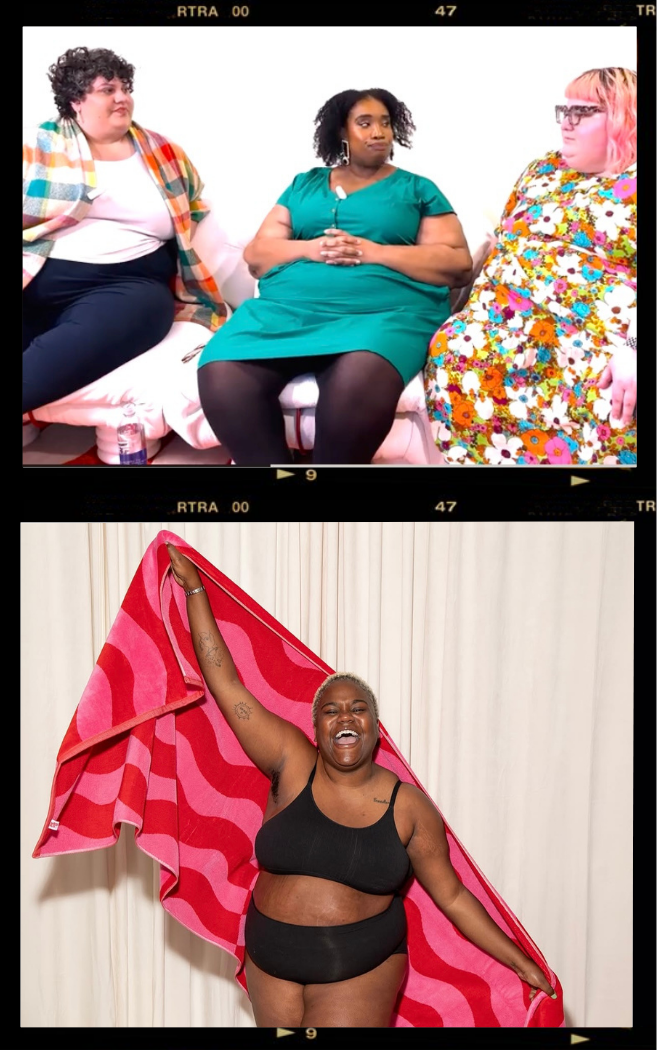
Video series by Brienne “BC” Colston in conversation with fat fashion designers Marina Hayes of Peridot Robes and Amy Lynn of JoyToast.
Welcome to the USDAC’s Vital Conversations project, a multimedia series that aims to answer the question: If we’re all we’ve got, what are the lessons we can learn from each other?
As each team member at USDAC worked to identify the conversation that felt most necessary to have, my own exploration began in therapy as most things in my life do. The story I needed to tell was personal and unfolding in real time, alive in my body.
The conversation I felt most called to nurture was one about fatness and building community across difference. I found myself urgently needing to be in dialogue about this because of my own rapidly changing body after weight loss surgery. And the truth is, while I knew I needed to speak about it, I didn’t particularly want to.
What I am learning in real time is that telling the full truth about who you are and what you’re moving through reveals the larger truths about the world we inhabit. My hesitation to share my own narrative was complicated and rooted in shame, shaped by a fatphobic and anti-Black world that’s worked overtime to limit my possibilities.
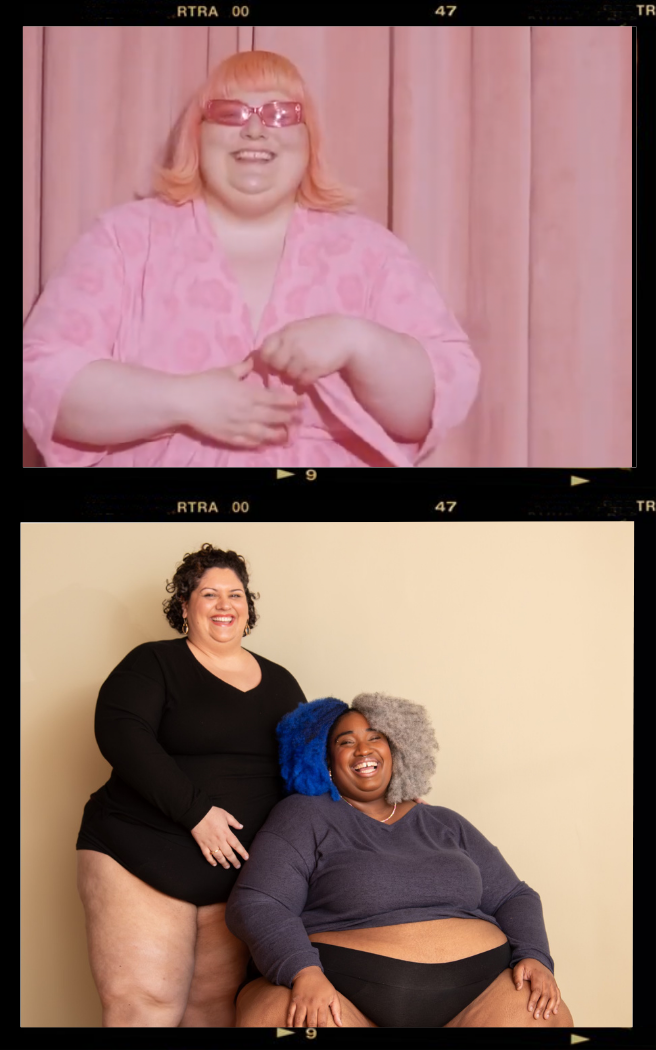
What I am learning in real time is that telling the full truth about who you are and what you’re moving through reveals the larger truths about the world we inhabit.
We spend too much time in the least principled conversations regarding weight loss. We focus deeply on interpersonal choices and wield language performatively to communicate our own pain, shame and blame. I want to spend that time identifying and targeting the cultures, practices and oppressive systems that both maintain and elevate fatphobia.
To explore this, I chose to sit down with two dear friends — Marina Hayes and Amy Lynn — fat creatives who run size‑inclusive fashion lines out of Chicago and Los Angeles. I’ve modeled for them, shared meals with them, and spent hours talking about disability justice, fatness, race, and politics. They are people who care deeply about creating liberatory spaces for fat folks.
We hope you enjoy this conversation as much as we did.
Click here to view the full video series on Vimeo.
Access is Love: Spacemaking for Fat & Disabled Artists
The following essay was written by Brienne in 2024 as a short reflection on the past 5 years living in a superfat body and navigating the world as a cultural organizer, facilitator, and comrade to many. Today, BC moves through the world as a mid-fat person living with chronic illness.
I remember a time when I was genuinely looking forward to attending a friend’s gallery opening. But having had my fair share of experiences—1) at events with no seating, or seating that my large body couldn’t fit into; and 2) at gatherings where the risks of COVID weren’t taken seriously— I knew that if I was going to attend, I needed some answers first.
Who all gon’ be there? Will I be the only superfat person there? Do your friends hate fat people?
Will I feel comfortable to eat in front of people that I don’t know? Will they be openly (or secretly) horrified if I grab a second cookie?
Will there be seating? If so, what kind of seating will be present? What are the weight limits on the chairs?
If I do break a chair, how much will it cost to replace it? (Can I really afford to buy a new chair right now for this venue?)
Has everyone been vaccinated? If not, what kind of COVID precautions will be set, if any? Did people test to be here? If I get COVID from this event, can I afford to buy medication? Can I afford to miss work?
Then came the dreaded next step: having “the talk” with my homegirl about my access needs. I’ve changed throughout the years, and so has my body. I’m no longer the friend that you can walk the ten blocks to the train station with. Hell, I’m not even the friend that you can take the subway with anymore. This struck a fear in me that I know all too well.
“Then came the dreaded next step: having “the talk” with my homegirl about my access needs. I’ve changed throughout the years, and so has my body. This struck a fear in me that I know all too well.”
Having to design and facilitate a conversation would just be scratching the surface of the emotional work it would’ve taken for me to prove to myself why I mattered enough to get my questions answered in the first place. I started spiraling and gave up completely.
“Who am I to expect her to change the event for just me?”
“It would be a hassle for her to have to answer all of these questions when the opening is only two weeks away.”
“If I lost weight, maybe I’d have less chronic back pain; this is ultimately my fault.”
“She might not want her fat friend there anyway; she only invited me to be cordial.”
In the end, I didn’t go. I told my friend I had a prior commitment. And when the day of the opening arrived, I sat at home, fighting back tears. Another event missed. Another memory lost. Another reason to affirm the negative self-talk that’s been bubbling inside me for over a decade.
I often wonder how that experience could’ve been different if our cultural organizing spaces truly prioritized care and access for those most marginalized. My story isn’t unique. So many fat and/or disabled organizers and artists face the same mental and emotional gymnastics just to decide whether to show up—gymnastics often more painful than being at the event itself.
“My story isn’t unique. So many fat and disabled organizers face the same mental and emotional gymnastics just to decide whether to show up— gymnastics often more painful than being at the event itself.”
Showing up for our people looks like creating spaces with us in mind. It looks like recognizing that our artistry is just as important to the world as those who are thin and/or able-bodied.
It looks like transforming frustration at people for needing accommodations that cost money, into frustration with systems that don’t allow for intersectional, loving accessibility cultures.
In the face of an ever-growing health crisis, it looks like understanding fat, sick, and disabled people’s restrictions, and adopting new adaptive strategies at every. single. artist. gathering. It looks like reserving transfer arm seating in performing arts venues in advance for your friends who need it.
It sounds like, “Here are pictures of the space the event will be held at. How does it look to you? What would you shift?” and “There’s an entrance ramp across the street from the train station. I’ll ensure the door is open when you get to the concert hall.”
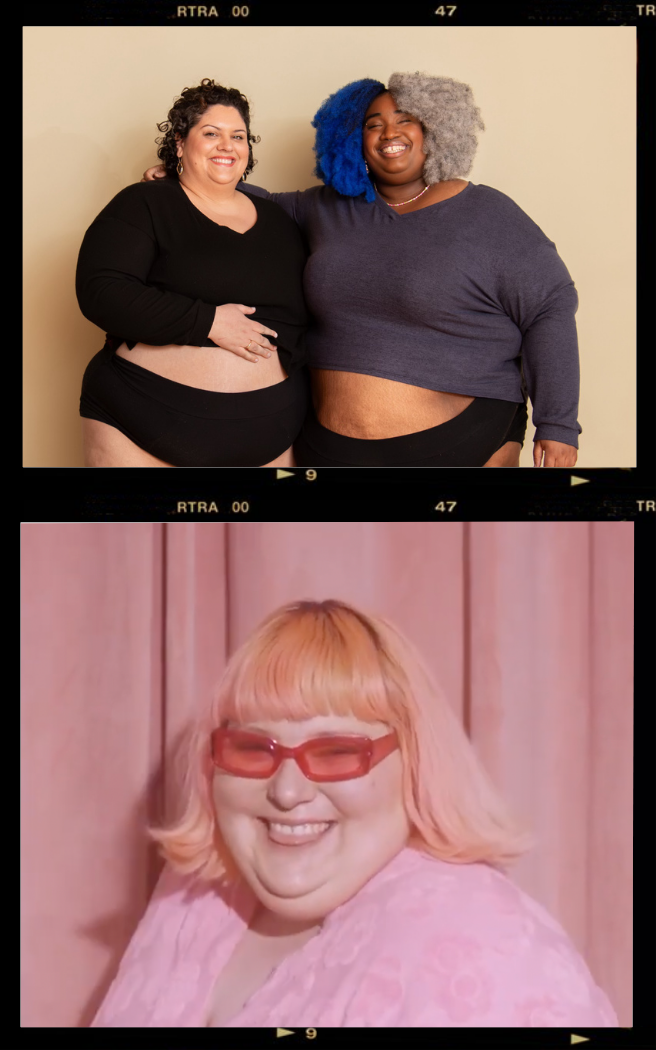
It looks like a care politic that truly involves all of us.
Artists and cultural organizers shift culture. Ensuring intersectional accessibility creates cultures of care and belonging. In an era where we are truly all we’ve got, let’s do both.